
In a startup, rapidity is a tactical benefit and a potential threat. The capability to act swiftly allows for market entry, fast iteration, and the acquisition of initial customers. Nonetheless, the identical speed that propels early achievements frequently hides technical vulnerabilities that only emerge when expansion intensifies. Infrastructure that functions well on a small scale may struggle with a tenfold rise in traffic. Security measures compromised for the sake of speed may turn into risks. Operational inefficiencies that previously appeared trivial start to take up considerable time and resources.
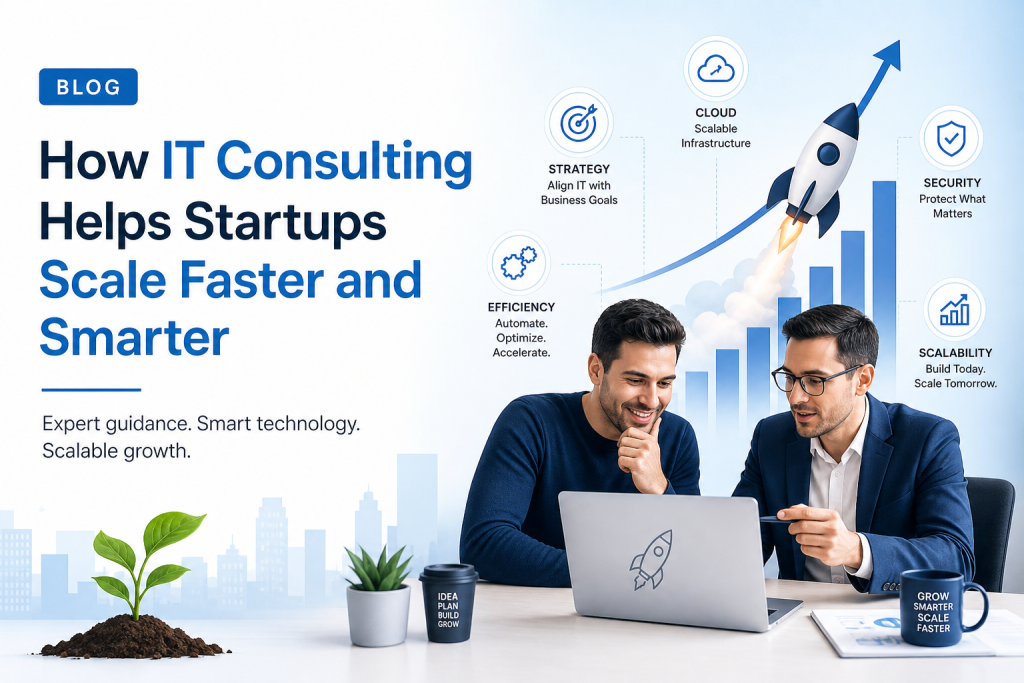
At this point, IT consulting services for startups evolve from a secondary support role into an essential strategy. For startups looking to grow effectively, IT consulting offers the knowledge required to develop robust systems, minimize operational challenges, and make strategic technology decisions. Instead of addressing issues after they arise, startups can strategically create frameworks that facilitate growth without incurring excess expenses or interruptions.
Why Startups Encounter Technical Barriers When Scaling
Startups usually launch with a minimum viable product aimed at market validation rather than long-term success. This method is logical in the initial phases, but it often results in systems that are weak under stress. As the number of users increases, several typical challenges arise as listed below:
- Overloaded cloud infrastructure resulting from inadequate architecture planning, such as running an entire application on a single virtual server.
- Security vulnerabilities introduced by rushed deployments, including unencrypted data storage or default administrative credentials.
- Inefficient software integrations that require manual data transfers between platforms, consuming employee hours and increasing error rates.
- Lack of IT governance, meaning no clear policies for access management, backup procedures, or incident response.
- Elevated operational costs caused by unoptimized resource usage, such as development environments running at full capacity during weekends.
- Limited internal technical leadership, where the founding team is stretched between product development, customer support, and fundraising.
The underlying problem is rarely inadequate technology itself. Instead, it is the lack of strategic planning. Without proper expertise, startups might choose inappropriate platforms, waste money on tools that lack integration, or create systems that fail to scale with user growth
Core Contributions of IT Consulting to Startup Scaling
IT consulting encompasses much more than just resolving issues. It provides a strategic alignment of technology with goals for business growth. The areas listed below embody the most crucial contributions a consultant can provide to a growing startup
Infrastructure Architecture Planning:
Consultants assist startups in creating scalable settings by employing cloud-native principles, modular frameworks, and strategies for redundancy. Targeted actions usually consist of:
- Multi‑region deployment strategies to reduce latency and provide failover capabilities.
- Load balancing implementation to distribute traffic evenly across servers.
- Containerization to ensure consistent application behaviour across development, testing, and production environments.
- Database performance optimization, including indexing strategies and read replica configuration.
- Disaster recovery frameworks that define recovery time objectives and recovery point objectives.
Through specialized IT Infrastructure consulting services, startups can design environments that support scalability through:
- Cloud-native architecture
- Load balancing
- Multi-region deployments
- Containerization
- Database optimization
- Disaster recovery planning
A startup that originally allocated all resources in one availability zone might, after a consultant’s assessment, adopt a multi-region setup. The immediate advantage is resilience: when one area faces an outage, traffic automatically redirects to another. The lasting advantage is the capacity to grow geographically without reconstructing the infrastructure
Cybersecurity Readiness
As startups grow, they become more attractive targets for cyber threats. Attackers increasingly view young companies as soft targets with valuable customer data. Consultants strengthen several layers of defence:
- Identity and access management, including multi‑factor authentication and role‑based permissions.
- Endpoint security for all devices connected to the network.
- Compliance readiness for industry regulations such as GDPR, SOC 2, or HIPAA.
- Data protection protocols, including encryption at rest and in transit.
- Incident response strategies to minimise damage and downtime following a breach.
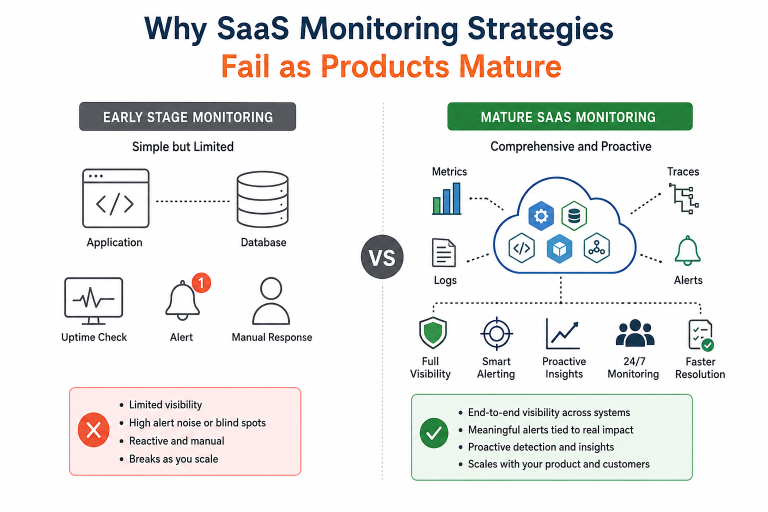
Additionally, integrating 24/7 IT Monitoring services ensures continuous oversight of infrastructure health, security anomalies, and system performance. This proactive monitoring allows startups to detect issues early, minimize downtime, and maintain stronger business continuity.
Technology Stack Optimisation
Choosing unsuitable platforms can create expensive migration problems later. Consultants evaluate the existing toolset and recommend changes that reduce complexity and cost. This evaluation covers:
- SaaS tools, assessing whether each application is necessary and whether it integrates cleanly with other systems.
- Customer relationship management systems, ensuring they can accommodate a growing sales team.
- Enterprise resource planning integrations for startups that have outgrown spreadsheets.
- Development frameworks, verifying that they remain actively maintained and suitable for the expected scale.
- Vendor ecosystems, identifying potential lock‑in risks and negotiating contract terms.
Process Efficiency
- Operational friction multiplies as a startup grows. Consultants streamline operations by improving several key workflows:
- DevOps workflows, reducing the time between code commit and production deployment.
- System monitoring, ensuring that anomalies are detected before they affect users. System monitoring, ensuring that anomalies are detected before they affect users. In many cases, startups rely on managed cloud services to maintain continuous visibility, automate alerts, and reduce the operational burden on internal teams.
- IT service management, establishing clear processes for resolving internal technical issues.
- Software deployment pipelines, automating testing and rollback procedures.
- Collaboration tools, configuring them to reduce notification fatigue and improve information sharing.
A consultant can introduce continuous integration and continuous deployment practices, automating the steps that previously required manual intervention. The same team may then release updates weekly or even daily, with lower risk of introducing bugs.
How IT Consulting Accelerates Growth: Specific Mechanisms
The value of IT consulting becomes measurable through several concrete mechanisms that directly support faster and smarter scaling.
Faster Infrastructure Scaling
When demand from users surges, inadequately designed systems break down. A consultant assists startups in adopting flexible cloud strategies that enable systems to adjust dynamically according to traffic patterns. Lacking these strategies, a marketing campaign that attracts fifty thousand visitors to a website in an hour could render the site completely inaccessible. Through elastic scaling, extra server resources are activated automatically in just minutes, ensuring users encounter no decline in performance.
Consider a startup that operates an e‑commerce platform. During a seasonal promotion, traffic increases tenfold. A consultant would have previously configured auto‑scaling groups, serverless functions for intermittent workloads, database read replicas, and a content delivery network. The system handles the surge seamlessly, and the cloud bill increases only for the precise duration of the peak.
Reduction of Technical Debt
Technical debt denotes the total expense arising from compromises made during the development process. Such shortcuts may involve fixed configuration settings, inadequate testing coverage, unrecorded application programming interfaces, or security workarounds enacted to achieve a launch timeline. Technical debt isn’t fundamentally bad; it indicates sensible compromises in a rapidly evolving landscape. Nonetheless, it gathers interest. Each modification requires more time, every error is more difficult to locate, and each new feature threatens the stability of current functions.
A consultant performs a structured technical debt assessment, classifying problems according to their severity and required effort. The top-priority items are either refactored or substituted. For instance, a startup that embedded pricing logic within two thousand lines of code would have needed two weeks to change a discount system. Once a consultant reorganizes the system to maintain pricing in a centralized configuration table, the identical change requires five minutes. The combined impact of tackling multiple debt items results in a significantly more nimble engineering organization.
Smarter Budget Allocation
Many startups overspend on technology because they lack visibility into usage patterns. Common sources of waste include:
- Unused software licences for employees who have left the company or never needed access.
- Excessive cloud resources, such as development environments left running overnight and on weekends.
- Redundant tools that perform overlapping functions across different departments.
- Unfavourable vendor contracts, including automatic renewals at higher rates without negotiation.
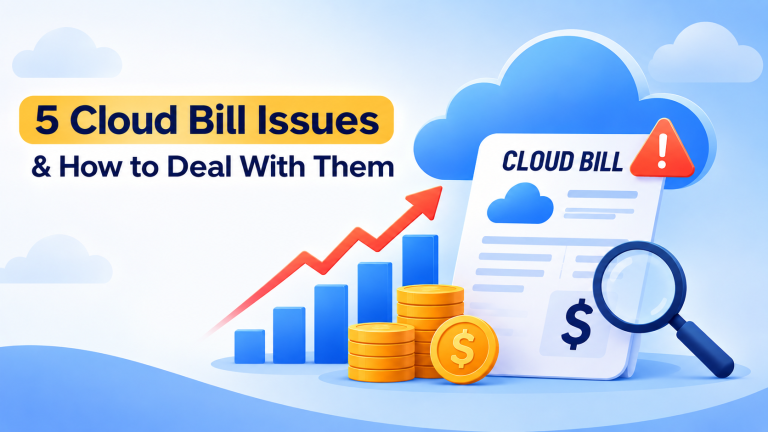
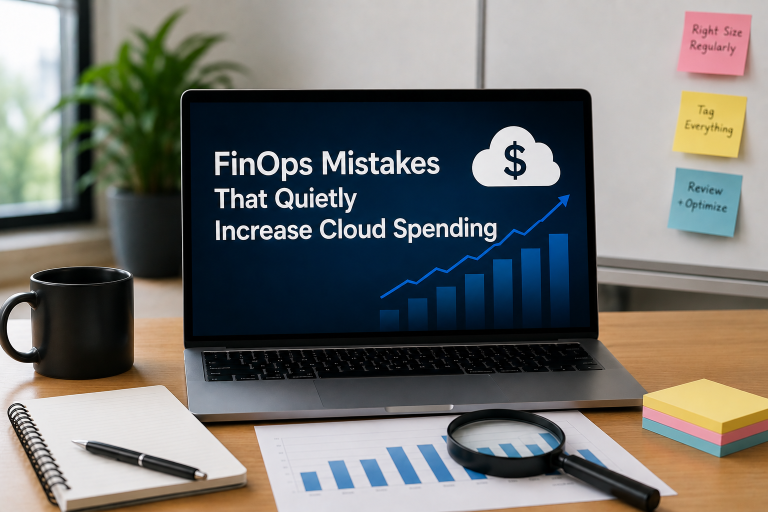
A consultant examines cloud billing information, usage records, and supplier invoices. A common discovery is that eliminating thirty to forty percent of cloud spending can occur without affecting performance. A startup was spending eight thousand dollars each month on a cloud environment that a consultant found to have forty percent unused capacity. Following optimization, the monthly expense decreased to three thousand five hundred dollars, resulting in annual savings of fifty-four thousand dollars. These savings directly lengthen the startup’s runway and alleviate the urgency for early fundraising.
Investor Confidence
Institutional investors are progressively incorporating technical due diligence as a regular part of the investment process. A technical review by an investor will evaluate security measures, operational strength, architectural adaptability, and readiness for compliance. A startup that hasn’t gone through an official security assessment might discover during due diligence problems needing months to fix, which could result in the funding round being postponed or aborted.
In contrast, a startup that has hired a consultant to establish essential security measures, document infrastructure setup, and confirm backup processes can deliver an impeccable due diligence report. This speeds up the fundraising procedure and frequently results in better valuation conditions, since the perceived technical risk is significantly reduced. A healthtech startup gearing up for a Series A round found during investor scrutiny that patient data was not secured while stored. The round was postponed by four months as the problem was fixed. If the startup had enlisted a consultant sooner, the encryption would have been established from the beginning.
When to Engage IT Consulting
- The optimal timing for engaging IT consulting is not after a system failure has disrupted operations, but somewhat earlier, when the signs of impending strain become visible. Indicators that a startup should seek consulting support include:
- The first instance of downtime lasting longer than one hour.
- Deployment cycles that have slowed noticeably, with releases becoming less frequent due to integration problems.
- A growing backlog of infrastructure‑related tasks that the engineering team cannot address while building features.
- The receipt of a security questionnaire from an enterprise customer or a potential investor.
- Planned entry into a regulated market or handling of sensitive data for the first time.
Delaying too much generally raises remediation expenses. A security concern that might have been resolved in a week with a consultant’s help may require months to address if identified during a compliance audit, causing a halt in business operations in the meantime.
Selecting an Appropriate Consulting Partner
Not all consulting firms are suited to the startup environment. Large, traditional consultancies may propose multi‑month engagements with fixed deliverables and substantial fees, which can be mismatched to a startup’s need for flexibility and rapid iteration. The most effective partners offer:
- Modular engagements, beginning with a short assessment phase followed by targeted implementation sprints.
- Demonstrated experience with lean operations, cloud economics, and agile development practices.
- Transparent pricing models, such as fixed‑fee projects or monthly retainers, rather than open‑ended time and materials arrangements.
- A portfolio of case studies involving startups at similar stages of growth.
Conclusion
Successfully scaling a startup demands more than just ambition and creativity. Strategic technology choices play a critical role in sustainable growth. IT consulting allows startups to grow more efficiently and intelligently by offering the knowledge required to develop robust infrastructure, manage expenses, minimize technical debt, enhance security measures, and align technical functions with business growth.
For startup leaders, the real worth of IT consulting is not just in addressing urgent technical issues but in establishing a scalable framework that fosters growth while maintaining speed, security, and financial discipline. In a marketplace where adaptability frequently dictates survival, utilizing IT consulting turns technology from a possible growth hindrance into a lasting competitive edge.