Monitoring Mistakes and How to Fix Them
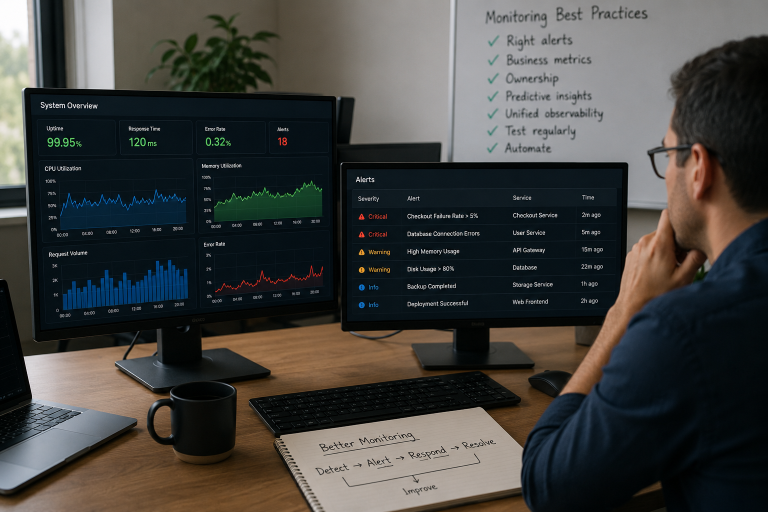
If your team only learns about outages from angry customer emails, you don’t have a monitoring problem. You have a pain problem. In fact, this pain usually comes from a…
Read article →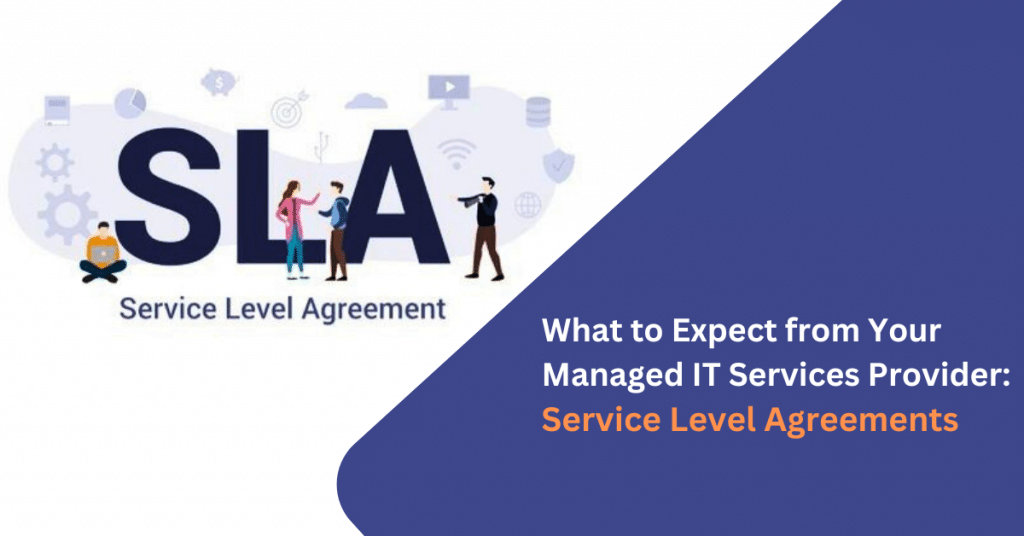
As businesses rely increasingly on technology to operate, it has become essential for them to partner with Managed IT Services Providers (MSPs) to ensure the smooth functioning of their systems. However, not all MSPs offer the same level of service, and it’s important to know what to expect from them. This is where Service Level Agreement (SLA) come in. SLAs are contracts that define the level of service that the MSP will provide, including the responsibilities of both parties, the quality of service expected, and the consequences of not meeting the agreed-upon standards. This article will help you to have a closer look at what to expect from your MSP in terms of SLAs.
An SLA is fundamentally an agreement that clearly defines the level of service a customer should expect from their service provider. Furthermore, the contract outlines the terms and conditions of the service, which includes the scope of work, responsibilities, performance metrics, and the consequences of not meeting the agreed-upon standards. By establishing these elements, an SLA ensures a mutual understanding between both parties, fostering a more productive relationship.
Service Level Agreements (SLAs) protect your business by ensuring that your IT service provider delivers the level of service that your organization requires to meet its operational needs. Additionally, SLAs help clarify the service level commitments, which include uptime, response times, and support levels. Consequently, if the service provider fails to fulfill the agreed-upon SLA standards, it can result in financial penalties, service credits, or even contract termination.
Service Level Agreement is a legal document that outlines the expectations and obligations of the managed IT services provider and the customer. A well-written SLA should provide a clear understanding of the terms and conditions of the services offered, as well as the standards that the service provider is expected to meet.
KPIs are essential components of an SLA. In particular, these metrics help define the quality of service expected by the customer. Typically, the KPIs included in an IT SLA encompass response times, uptime, and availability.
The list of services is another critical component of the Service Level Agreement. Specifically, this section should include a comprehensive list of the services provided by the managed IT services provider, such as software updates, maintenance, security, and technical support. Additionally, ensure the list of services is as specific as possible to avoid misunderstandings and disputes over what is and is not included in the agreement.
The consequences of poor performance, which are a crucial part of an SLA, should clearly outline the repercussions that the managed IT services provider will face if they fail to meet the agreed-upon SLA standards. Specifically, these consequences can include financial penalties, service credits, or even contract termination. Additionally, the consequences for poor performance should be proportional to the severity of the breach and must be agreed upon by both parties in advance.
The conflict resolution process section should outline the process for resolving disputes or conflicts between the managed IT services provider and the customer. In extreme cases, conflict resolution may include escalation procedures, mediation, or even legal action. The conflict resolution process should be designed to minimize disruption to the customer’s operations while ensuring that any disputes are resolved fairly and efficiently.
The KPIs and services included in an IT SLA should be tailored to your organization’s specific needs. In fact, some common KPIs for IT services include:
Response time is a critical KPI that measures your managed IT services provider’s time to respond to a service request. Moreover, a quick response time is essential for minimizing downtime and, as a result, ensuring that your IT infrastructure remains operational.
MTTR refers to the average time it takes to resolve a service issue. Notably, a shorter MTTR indicates that your IT services provider is more efficient at resolving issues. Consequently, this efficiency helps to minimize downtime and reduce the impact on your business operations.
It measures the percentage of time that the service is available. Therefore, it’s an essential KPI to ensure that your IT infrastructure remains consistently available and accessible to both your employees and customers.
It measures the total time that the service is available, including scheduled maintenance windows. By including these maintenance windows in the calculation, you can consequently gain a better understanding of the actual availability of the service.
This metric measures the average time between hardware failures, which can impact the overall performance of the IT infrastructure.
FCR measures the percentage of support calls that the team resolves on the first call. FCR is an essential metric for assessing the quality of your IT support services.
This metric measures the time an IT support technician takes to respond to a service request.
This metric measures the time the IT support team takes to address and resolve an incident.
This service ensures that your network is always up and running. It also helps identify and resolve any issues quickly.
This service regularly backs up your critical business data and establishes a plan to restore data during a disaster.
This includes services such as vulnerability scans, penetration testing, and security awareness training for employees to protect against cyber threats.
This service supports end-users who require technical assistance or have issues with hardware, software, or network connectivity.
Service Level Agreements (SLAs) are crucial to successfully partnering with your Managed Services Provider. Understanding the different components of SLAs allows you to set clear expectations and establish accountability, ensuring that your IT needs are met efficiently and effectively. Furthermore, always remember to review and negotiate SLAs before signing a contract in order to avoid any misunderstandings or surprises down the line.
If your team only learns about outages from angry customer emails, you don’t have a monitoring problem. You have a pain problem. In fact, this pain usually comes from a…
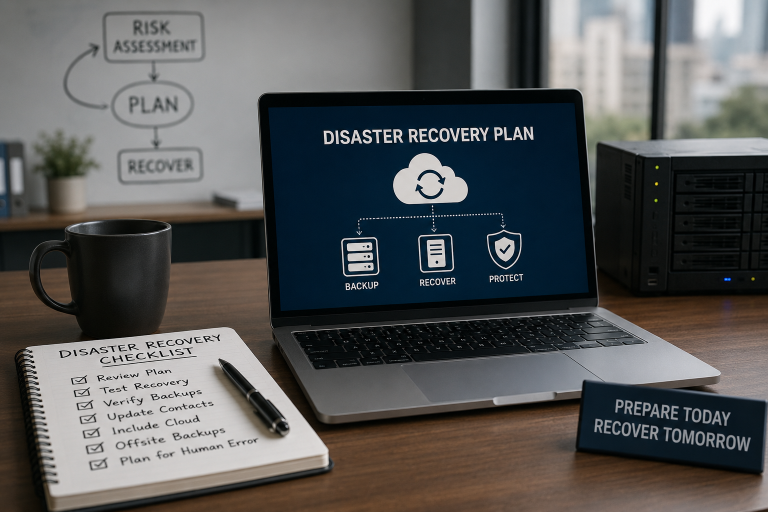
Read article →Ask any IT leader if their company has a disaster recovery plan. Almost everyone will say yes. Ask them when they last tested it, and the confidence usually drops fast.…
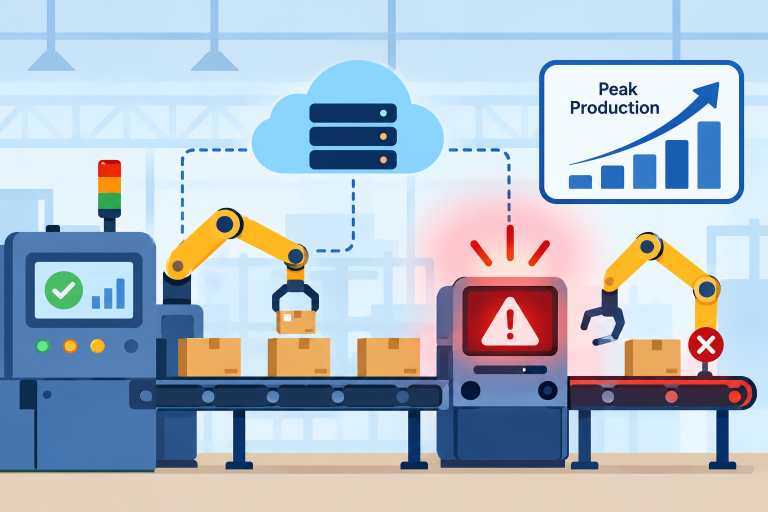
Read article →Every plant manager knows the feeling: the order book is finally full, the lines are running at full tilt, and then, without warning, a system stalls. Screens freeze, sensors stop…
Read article →Tell us where you are and what's slowing you down. A senior engineer will get back to you within one business day.
Our team will get back to you within one business day.