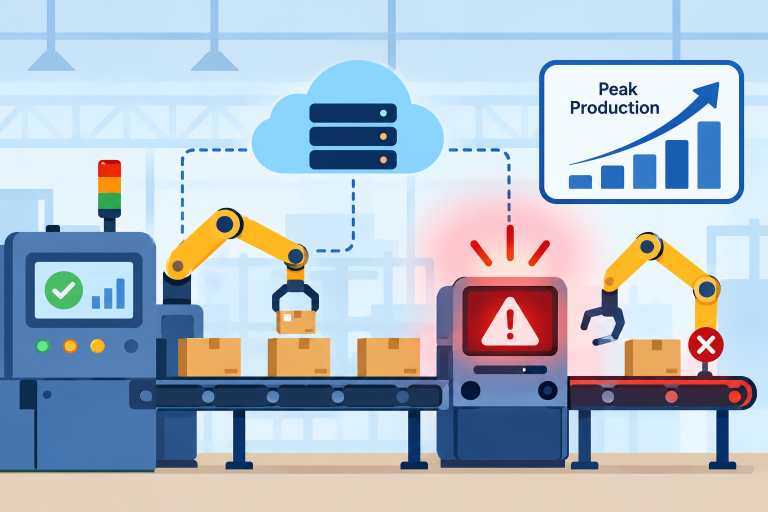


Nobody joins an engineering team because they love restarting servers at midnight. They join because they want to build things. Yet if you sit in on a few sprint planning meetings at almost any growing company, you’ll notice a pattern that repeats itself over and over. The sprint kicks off with a solid list of features. By Wednesday, unexpected issues pull half the team away from planned work.
A deployment fails. An API starts timing out for no obvious reason. A customer emails support about an error that “shouldn’t even be possible.” One by one, developers get pulled off the roadmap and into whatever fire is burning that day. After a while, this stops feeling like an occasional disruption. It starts to feel like the actual job.
Here’s the part most people miss. The bugs themselves aren’t really the problem. Constant interruptions, frequent context switching, and an endless stream of unfinished “quick fixes” gradually drain engineering team productivity and steal valuable time from building.
If your developers are spending more hours patching yesterday’s work than shipping tomorrow’s features, the issue is rarely your team’s ability. It’s usually the ground they’re standing on.
The Hidden Cost of Constant Firefighting
Every team runs into the occasional bug. That’s just software. The real trouble starts when “unexpected” work becomes something everyone quietly expects, when Tuesday’s sprint plan feels more like a wish list than a commitment.
Instead of building, developers keep getting pulled into fixing production incidents, chasing down failed deployments, figuring out why the app slowed down overnight, responding to infrastructure alerts, or hearing the same customer complaint for the third time this month. None of it actually moves the product forward. Each interruption breaks concentration, pushes back planned work, and slowly grinds people down.
Keep this up for a few months and something predictable happens. Technical debt starts growing faster than the product itself.
This isn’t just a feeling teams have. The numbers back it up. Stripe’s Developer Coefficient study found that engineers spend an average of 17.3 hours a week, roughly a third of the work week, on maintenance and bad code instead of new development. Stack Overflow’s 2024 Developer Survey found that technical debt was the single biggest frustration developers reported, ahead of tool reliability and security concerns. And McKinsey has estimated that technical debt can eat up as much as40 percent of a company’s entire technology estate, long before a single new feature gets built. So when it feels like your team is spending more time patching than building, that’s not an exaggeration.The industry has normalized this problem instead of solving it.
Why Does This Keep Happening?
Many teams blame developers, but the real problem usually lies in outdated infrastructure and inefficient processes.
Infrastructure built for a smaller company. Most businesses start simple, with a few servers and maybe one database. As the product grows, new services, containers, and third party integrations get added one after another. Without a real plan behind it, the whole environment gets harder to understand with every addition, until even a small change causes something unexpected to break somewhere else.
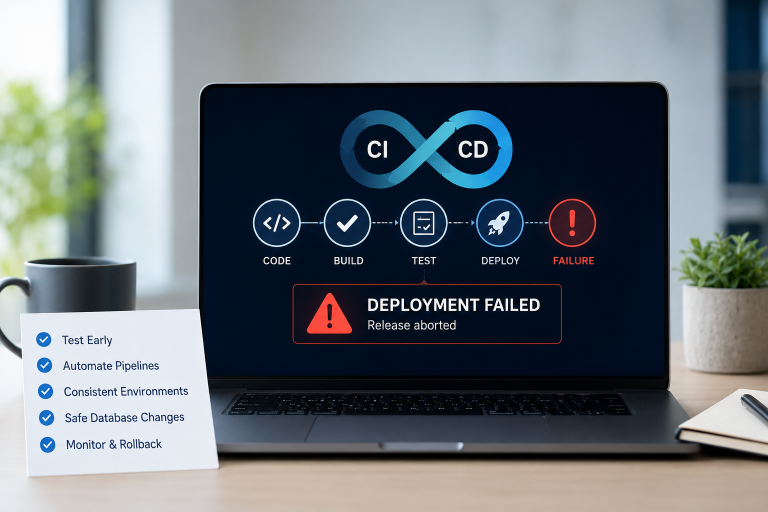
Deployments that make everyone nervous. If every release comes with a bit of dread, that’s a sign something upstream needs attention. Teams delay deployments because they fear failures, making every release larger, riskier, and harder to manage. Eventually engineers spend more time recovering from a deployment than they spent shipping it.
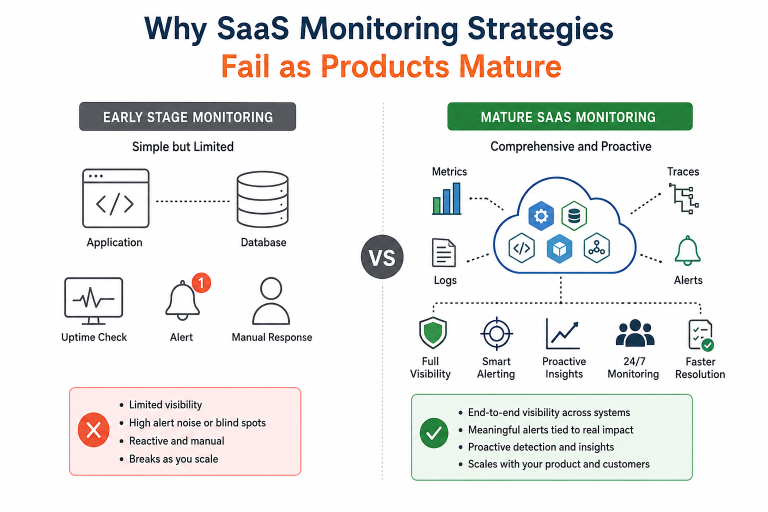
Nobody notices the problem until customers do. This is one of the quietest productivity killers there is. The app looks perfectly healthy right up until users start reporting errors, and by then the team is already playing catch up. Without real visibility into how systems actually behave, engineers end up spending hours hunting for the source of an issue instead of just fixing it. This is exactly the gap that cloud monitoring and management services fill, catching strange behavior early instead of waiting for customers to report it first.
Technical debt that keeps piling up. A quick fix today has a way of becoming a permanent fixture six months from now. Documentation goes stale. Old scripts keep running because nobody wants to be the one who breaks them. Configurations drift out of sync with each other. Over time, teams forget why they built a system a certain way and simply work around it to ship new features.
The Real Cost Goes Beyond Downtime
When people picture the cost of shaky systems, they usually picture an outage. But downtime is only the visible part of the bill. The real damage shows up in quieter ways. Product launches slip. Customer requests sit in the queue longer than they should. Innovation slows to a crawl. Morale takes a hit. Hiring gets harder once word gets around that the codebase is a mess to work in. Senior engineers, the people who should be mentoring and designing, end up spending most of their week troubleshooting instead.
None of this shows up neatly on a single dashboard. It shows up months later, when leadership is asking why the roadmap keeps slipping and nobody has a clean answer to give.
Context Switching Costs More Than Most Teams Realize
Good software development needs deep, uninterrupted focus. When an engineer gets pulled away every hour to look at another fire, they rarely come back to their original task at full speed. A feature that should take a single day stretches into three, not because the work got harder, but because the concentration it needed kept getting interrupted along the way.
Multiply that across an entire team, week after week, and engineering team productivity starts declining quietly enough that it’s easy to miss, right up until the roadmap is months behind schedule.
Why Hiring More Developers Rarely Fixes It
The instinctive response to a slow moving team is often to hire more people. Unfortunately, more headcount doesn’t remove operational complexity. It just adds more people who inherit the same unstable environment, the same undocumented processes, and the same recurring incidents. Before long, the new hires are just as buried in firefighting as everyone else. The company gets bigger. It doesn’t get faster.
Building Systems That Need Less Maintenance
The strongest engineering teams aren’t necessarily the ones writing flawless code. They’re the ones who’ve built environments that don’t generate so much unplanned work to begin with. A handful of things tend to make the biggest difference.
Standardized infrastructure means consistent environments across development, testing, and production, which cuts down on configuration surprises and the classic “it works on my machine” headache.
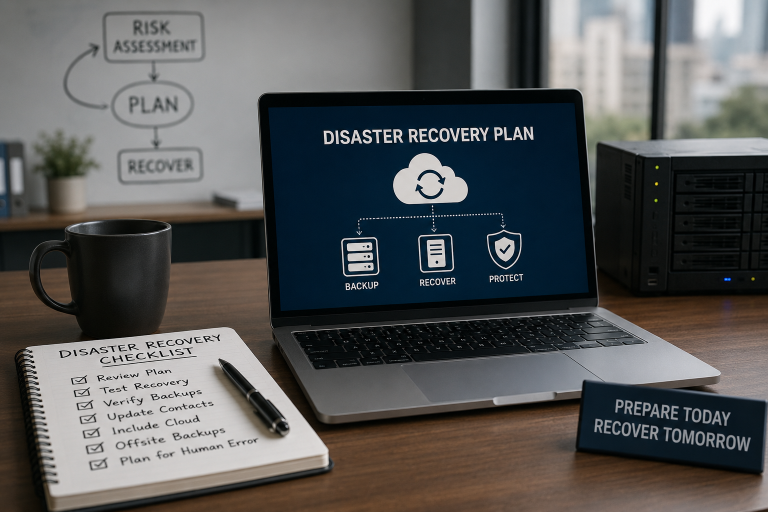
Reliable deployment pipelines matter too. Smaller, automated releases are far safer than infrequent manual ones. Testing, validation, and rollback strategies built into the pipeline reduce release anxiety and shrink the damage when something does go wrong. This is often where companies bring in DevOps consulting services, to rebuild deployment workflows around automation instead of manual heroics, and take repetitive operational work off engineers’ plates for good.
Better observability plays a role as well. Instead of drowning the team in thousands of low value alerts, strong teams focus on the signals that actually matter. What failed, where, why, and who it’s affecting. Good visibility can turn a two hour investigation into a five minute fix.
And automation, wherever it makes sense, tends to pay for itself quickly. Every recurring manual task is worth a hard look. Could this be automated? Routine infrastructure work eats up hours that could go toward building, and automation hands those hours back.
What a Healthy Sprint Actually Looks Like
Picture a sprint where deployments happen without anyone holding their breath. Infrastructure scales without triggering a 2 a.m. page. Monitoring flags issues while they’re still small and manageable. Engineers aren’t getting pulled into three different fires before lunch. Customer reported issues are trending down instead of staying flat month after month.
That’s not luck. It’s what happens when a company invests in reliable operational processes instead of leaning on heroic troubleshooting every single sprint. When the operational noise finally drops, engineering team productivity tends to improve almost as a side effect, and developers get back to doing the work they were actually hired to do.
What This Looks Like in Real Life
Take a mid sized ecommerce company with a twelve person engineering team. For most of a year, roughly a third of every sprint was quietly absorbed by production fires. Checkout would slow down during traffic spikes. A batch job would silently fail overnight and nobody would know until a customer complained. Deployments were manual and happened late at night because everyone was afraid of what might break during business hours.
The team didn’t hire more developers. Instead, they put real monitoring in place so problems surfaced within minutes instead of days, automated their deployment pipeline so releases became small and boring instead of rare and risky, and spent one sprint out of every three paying down the parts of the codebase causing the most repeat incidents. Within two quarters, the same twelve engineers were shipping nearly twice as many features as before, not because they worked longer hours, but because they weren’t losing a third of their week to the same recurring problems anymore.
That’s the pattern almost every team sees once operational chaos gets under control. The capacity was there all along. It was just buried under maintenance work nobody had budgeted for.
Questions Worth Asking Yourself
If you lead engineering or own the technology roadmap, a few honest questions can be revealing. How many hours did your developers spend on production issues last month? How often do releases get delayed because of infrastructure concerns? How many incidents seem to repeat every few weeks like clockwork? How much engineering capacity is quietly disappearing into operational work instead of product work?
The answers usually point to something far more valuable than simply hiring another developer.
Small Improvements, Big Results
Engineering productivity rarely improves because people grind harder. It improves because unnecessary work disappears. Cutting recurring incidents by even 20 percent can return hundreds of engineering hours over the course of a year. Those hours turn into new features, better customer experiences, faster releases, and genuine technical progress instead of the same old repair work.
If your developers are spending most of their week solving yesterday’s problems, the issue probably isn’t their talent. It’s the environment they’re working in. Stable infrastructure, proactive monitoring, standardized deployments, and smarter operational practices free engineers to focus on creating value instead of endlessly restoring it.
The best engineering teams aren’t the ones who fix problems the fastest. They’re the ones who prevent most of those problems from happening in the first place. Get there, and engineering team productivity stops being a line on a dashboard. It becomes something your customers actually feel, through faster innovation, steadier reliability, and better software overall.