
Monitoring Mistakes and How to Fix Them
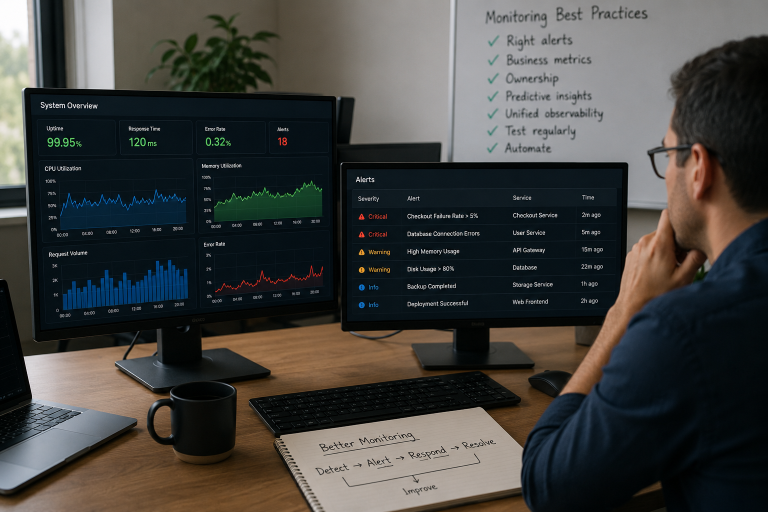
If your team only learns about outages from angry customer emails, you don’t have a monitoring problem. You have a pain problem. In fact, this pain usually comes from a…
Read article → By sygitechadmin
June 2023
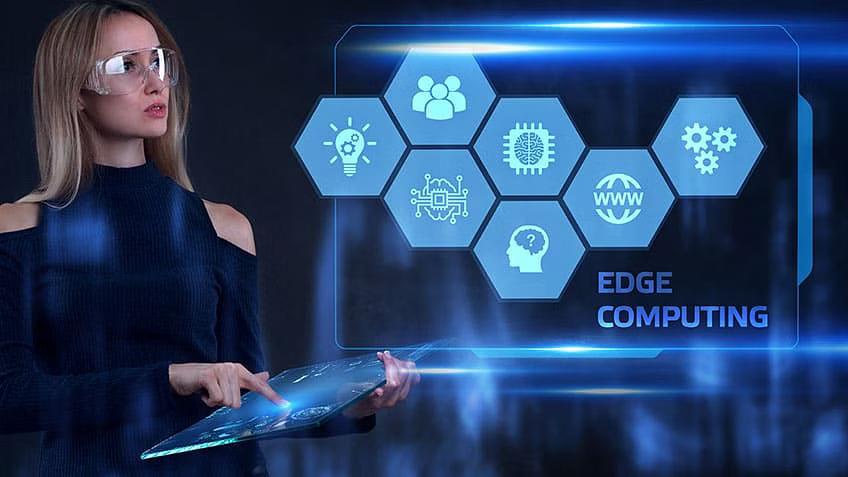
Image source: unsplash.com
Edge computing is a distributed computing paradigm that brings data processing and analysis closer to the source of data generation. The growing importance of edge computing stems from the rapid expansion of the Internet of Things (IoT) and the need for real-time data processing. With the proliferation of IoT devices and the massive amount of data they generate, sending all that data to a remote cloud server for processing can result in latency, bandwidth limitations, and increased costs.
By leveraging edge computing, organizations can process and analyze data locally, near its source, reducing the need for data transfer to the cloud. This proximity enables faster response times, lower latency, and improved real-time decision-making. It is particularly crucial for time-sensitive applications, such as autonomous vehicles, industrial automation, smart cities, and healthcare monitoring.
Few challenges faced by organizations in managing and optimizing edge computing infrastructure.
Edge computing enables decentralized networks and supports applications that require low latency and high bandwidth. Here are some of the examples:
By enabling decentralized networks and supporting low-latency, high-bandwidth applications, edge computing revolutionizes the way data is processed and analyzed. It brings computational power closer to the source, enhancing responsiveness, reducing reliance on network infrastructure, and enabling innovative applications in various domains.
Leveraging managed services for edge computing, and collaborating with cloud infrastructure companies offers several advantages for organizations. Here are some key benefits:
In summary, managed services for edge computing empower decentralized networks by providing specialized expertise, efficient management, enhanced security, scalability, and cost efficiency. They enable organizations to harness the benefits of edge computing without the complexities, allowing them to drive innovation, make real-time decisions, and unlock the full potential of their decentralized networks in the era of IoT and distributed systems. By partnering with trusted managed service providers, organizations can navigate the complexities of edge computing and stay at the forefront of technological advancements.
If your team only learns about outages from angry customer emails, you don’t have a monitoring problem. You have a pain problem. In fact, this pain usually comes from a…
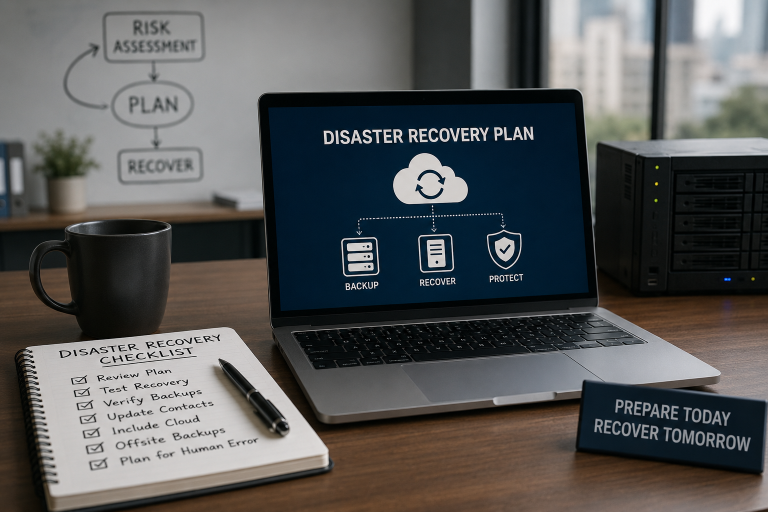
Read article →Ask any IT leader if their company has a disaster recovery plan. Almost everyone will say yes. Ask them when they last tested it, and the confidence usually drops fast.…
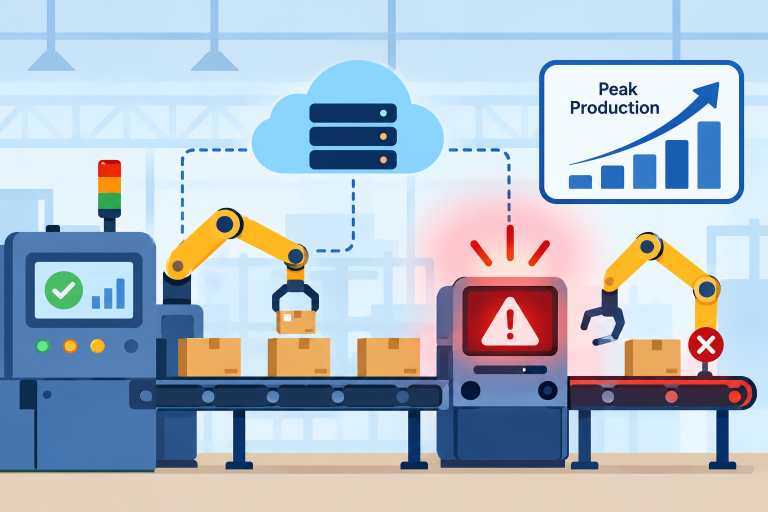
Read article →Every plant manager knows the feeling: the order book is finally full, the lines are running at full tilt, and then, without warning, a system stalls. Screens freeze, sensors stop…
Read article →Tell us where you are and what's slowing you down. A senior engineer will get back to you within one business day.
Our team will get back to you within one business day.
Leave a Reply